

Five Signs Your Dog Needs Structure at Home
A dog who paces through the house, ignores familiar cues, or turns every walk into a tug-of-war is not necessarily being stubborn. Often, they are missing clear direction. Owners searching for the five signs dog needs structure are usually already feeling the effects: more stress at home, less enjoyable walks, and a dog who seems unable to settle.
Structure is not about making your pup rigid or taking the fun out of life. It is a dependable framework of routines, boundaries, exercise, rest, and communication. Dogs thrive when they understand what is expected, what earns access to the things they want, and when they can rely on their owner to make calm decisions.
Five Signs Your Dog Needs Structure
1. Your dog cannot settle at home
A dog who follows every movement, jumps up whenever someone stands, patrols the windows, or constantly brings toys may be getting activity without getting balance. Physical exercise matters, but a long walk alone does not always teach a dog how to relax.
Many dogs need to practice calm behavior just as much as they practice movement. That may mean resting on a designated bed while dinner is prepared, waiting calmly before going outside, or learning that not every sound at the door requires a reaction. Without these expectations, some dogs stay mentally “on” all day and become increasingly restless.
Start by building predictable quiet periods into the day. Give your dog a clear place to settle, reduce constant stimulation, and reward calm choices. If your dog becomes anxious, vocal, or destructive when asked to rest, the issue may need a more individualized training plan.
2. Walks feel like your dog is in charge
Leash pulling is one of the clearest signs that a dog needs more structure. When your dog drags you toward another dog, a scent, a person, or the next patch of grass, they are making the decisions about pace and direction. That can make even a short neighborhood walk frustrating.
This does not mean your dog should never sniff or enjoy the walk. Sniffing is valuable mental stimulation. The goal is to make access to those rewards intentional. A dog can learn that walking on a loose leash earns permission to explore, while pulling does not move them forward.
Consistency is where many owners get stuck. If pulling works sometimes, even once in a while, your dog learns it is worth trying. Clear leash expectations, proper timing, and practice in manageable environments can change the experience. For dogs that lunge, bark, or become overwhelmed around distractions, professional support can help address the behavior safely.
3. Your dog ignores cues they know
Your dog may sit perfectly in the kitchen but act as if they have never heard their name at the park. This is not always a training failure. Dogs do not automatically understand that a cue applies in every location, around every distraction, and at every level of excitement.
Reliable obedience is built through repetition, follow-through, and gradually increasing difficulty. If “come,” “place,” “down,” or “heel” are optional depending on what your dog would rather do, your dog has learned that the cue is a suggestion.
Structure means using commands with purpose and only giving cues you are prepared to reinforce. It also means avoiding repeated commands. Saying “come” five times teaches your dog that the first four do not matter. Give a clear cue, help your dog succeed, and reward the right response. Over time, that consistency builds trust in your communication.
4. Excitement quickly turns into chaos
Some dogs struggle most during everyday transitions: guests arriving, the leash coming out, children coming home from school, meals being prepared, or getting released from a crate. They jump, mouth, bark, spin, or race through the house because they have not learned how to handle excitement calmly.
These moments are often brushed off as personality. Puppies are energetic, and many adult dogs are naturally enthusiastic. But when excitement regularly becomes unsafe, disruptive, or hard to interrupt, it deserves attention. A large dog jumping on a guest, for example, can be more than an inconvenience. It can create real risk for children, older adults, and the dog itself.
A structured approach gives your dog a job during high-energy moments. Before greeting a guest, they may be asked to sit or go to place. Before a meal, they may wait calmly. Before getting out of the car, they may pause until released. These small routines teach impulse control without requiring harsh corrections or constant conflict.
5. Your dog creates their own entertainment
Chewed furniture, counter surfing, digging, excessive barking, stealing shoes, and rough play can all come from boredom. They can also happen when a dog has too much freedom before they are ready to handle it.
Dogs do not view an unattended sandwich, an open trash can, or a shoe left by the couch the way we do. If taking it is rewarding and no clear boundary exists, they are likely to repeat the behavior. Management is part of structure. Baby gates, crates, leashes, closed doors, and thoughtful supervision are not punishments. They prevent your dog from rehearsing habits you do not want.
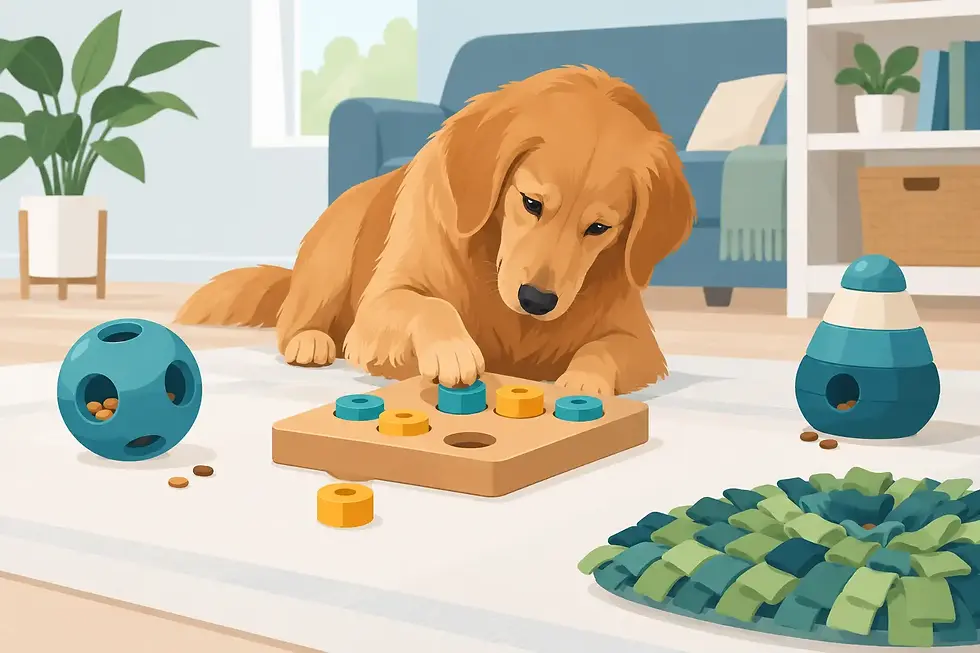
At the same time, dogs need appropriate outlets. Training sessions, structured walks, food puzzles, scent work, play, and socialization can all provide stimulation. The right mix depends on your dog’s age, breed tendencies, health, energy level, and behavior. A young working-breed dog may need a very different routine than a senior companion dog.
What Structure Looks Like in Daily Life
A structured home does not need to run on a military schedule. It simply needs to be predictable enough that your dog understands how to succeed. Meals happen at generally consistent times. Walks begin with calm leash behavior. Doors, furniture, visitors, and play all have understandable rules.
The most effective routines are realistic for your household. If every family member uses different commands or allows different behavior, your dog receives mixed information. Choose a few priorities first, such as loose-leash walking, calm greetings, crate comfort, or coming when called. Then make sure everyone follows the same plan.
For a puppy, structure may look like frequent potty breaks, short training sessions, guided socialization, naps, and limited freedom indoors. Puppy Pre-K can help owners establish those foundations before jumping, chewing, and overexcitement become regular habits.
For an adult dog, the first step may be rebuilding communication and setting boundaries around walks, visitors, and household access. Dogs with fear, reactivity, aggression, or severe anxiety need a careful approach. More rules alone are not a solution for a dog who is scared or overwhelmed. Behavioral Therapy should address the cause of the behavior while giving the dog safe, consistent guidance.
When to Ask for Training Support
You do not have to wait until a behavior becomes serious. If you are avoiding walks, separating your dog from visitors, feeling frustrated every day, or unsure how to respond without making things worse, a professional evaluation can provide clarity.
At SafeK9, training focuses on both sides of the relationship. Your dog needs clear instruction, but you also need practical tools to manage daily routines, reinforce progress, and understand what your pup is communicating. On-leash obedience, off-leash obedience, in-home training, and behavior-focused programs can be matched to the challenges you are seeing.
A calmer dog is rarely the result of one perfect command. It comes from small, consistent moments: waiting at the door, walking with you instead of ahead of you, resting when the house is busy, and looking to you for direction. Those everyday habits can make home feel better for everyone.


Comments