

How to Handle Puppy Fear Periods at Home
Your puppy walked past the garbage truck yesterday without a second thought. Today, the same sound sends them backward, barking, freezing, or trying to pull for home. Puppy fear periods can feel sudden and confusing, especially when your pup was previously social, playful, and curious.
This change does not mean you have failed your puppy or that they are destined to become fearful. It means your response matters. A calm, structured approach can help your puppy process new experiences without learning that the world is unsafe.
What Are Puppy Fear Periods?
Fear periods are normal developmental phases when a puppy or adolescent dog becomes more sensitive to unfamiliar people, places, sounds, surfaces, or situations. During these windows, something ordinary can suddenly feel overwhelming. A trash can, a visitor wearing a hat, a skateboard, a thunderstorm, or a walk near busy traffic may trigger a reaction that was not there before.
Most puppies experience an early fear period around 8 to 12 weeks old. Another often appears during adolescence, commonly between 6 and 14 months. Timing varies by breed, individual temperament, environment, and the experiences a dog has had. Some dogs move through these stages quickly. Others need more patient support.
The goal is not to expose your puppy to everything at once. The goal is to teach them that they can look to you for direction, create space when needed, and recover calmly after something surprises them.
Signs Your Puppy May Be in a Fear Period
Fear does not always look like dramatic barking or lunging. Some puppies become quiet and shut down instead. Watch for a sudden change in behavior around a previously neutral situation.
Your puppy may stop walking, lean away, tuck their tail, lower their body, hide behind you, avoid eye contact, refuse treats, bark at unfamiliar objects, or become unusually clingy. You may also notice that they are more reactive when tired, hungry, overstimulated, or outside in Florida heat.
Do not assume every fearful response is a developmental phase. Pain, illness, vision changes, or a frightening experience can also affect behavior. If your puppy is reacting intensely, suddenly, or in multiple settings, a veterinary check and professional behavior evaluation are wise next steps.
What to Do in the Moment
When your puppy reacts, resist the urge to pull them closer to the thing that scares them. Forced exposure can make fear stronger because the puppy has no way to create distance or regain control.
Instead, calmly increase space. Cross the street, step behind a parked car, move away from the loud equipment, or turn around and continue the walk in a quieter direction. Creating distance is not giving in. It is good handling. Your puppy can only learn when they are calm enough to notice you, eat a treat, and make choices.
Keep your voice neutral and your leash loose whenever possible. Repeating worried reassurance in a high-pitched tone can add emotional pressure, while leash corrections can make your puppy connect discomfort with the person, dog, or object they were already worried about. Calm guidance is more useful than either panic or punishment.
Once your puppy is at a comfortable distance, let them observe. If they look at the scary thing and then look back at you, quietly reward that check-in. A food reward, praise, or a brief game can help build a positive association, but only if your puppy is able to accept it. A puppy who will not take food is often too stressed and needs more distance.
Build Confidence Without Flooding Your Puppy
Socialization is often misunderstood as making a puppy greet every dog, person, child, and stranger they see. Real socialization is helping a dog learn to move through the world calmly. Sometimes that means interacting. Often, it means observing from a safe distance and then moving on.
During fear periods, choose shorter and more successful outings. A five-minute visit to a quiet park where your puppy watches joggers from a distance may be more valuable than an hour at a crowded event. Let your puppy experience new sights and sounds at a level they can handle.
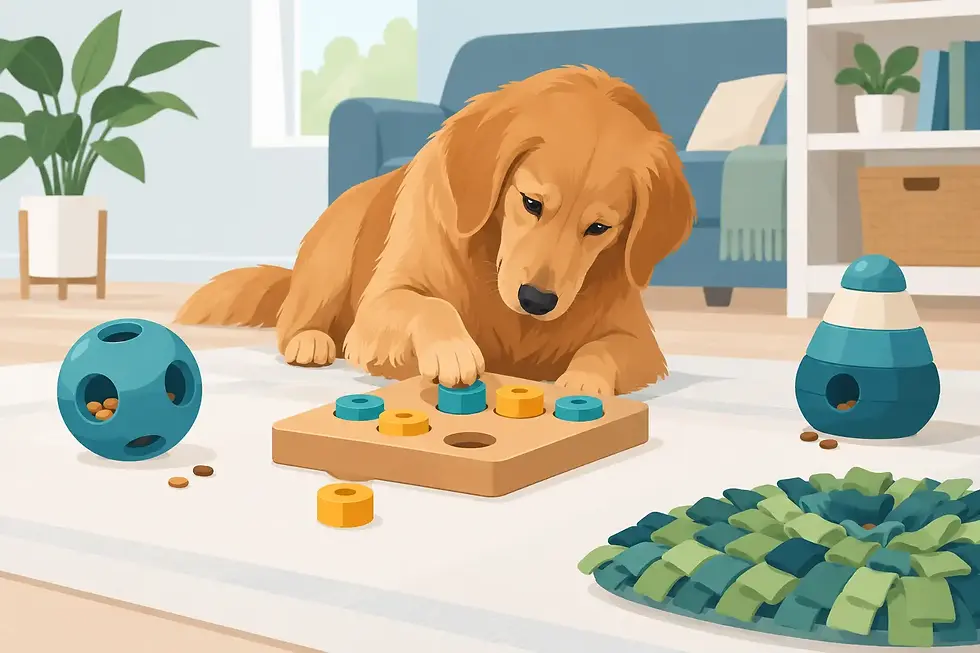
At home, build confidence through simple, structured activities. Practice walking over different safe surfaces, stepping onto a low platform, going through a tunnel, settling on a place bed, and following basic cues around mild distractions. These exercises teach your puppy that trying something unfamiliar leads to clear direction and success.
Routine also matters. Consistent meals, rest, walks, play, and training give a puppy predictability when the outside world feels less predictable. Young dogs need plenty of sleep, and an overtired puppy is much more likely to react poorly to normal stimulation.
Use Controlled Introductions
If your puppy is uneasy around visitors, do not ask guests to reach over their head or insist on petting. Have the visitor ignore the puppy at first. Give your pup room to observe, and reward calm behavior from a distance. Your puppy may choose to approach later, but they do not need to greet everyone to be well socialized.
The same approach applies to other dogs. Avoid pushing your puppy into chaotic dog play because they need friends. A calm, neutral walk near a stable adult dog can be far more productive than an overwhelming group interaction. Quality experiences create confidence. Too many intense experiences can create avoidance.
Be Careful With Storms and Loud Sounds
Tampa Bay puppies may encounter heavy rain, thunder, lawn equipment, construction noise, and busy neighborhood traffic. You cannot control every sound, but you can avoid turning fear into a larger event. Close blinds during storms, use steady background noise, offer a calm resting space, and avoid dragging a worried puppy outside simply to prove they can handle it.
For planned sound exposure, begin at a low level. Pair mild noise with food, play, or calm engagement, and stop before your puppy becomes distressed. Progress should be gradual. If your pup reacts strongly, the session was too difficult, not a sign that they need more pressure.
What to Avoid During Puppy Fear Periods
Avoid forcing your puppy to stay near something that frightens them, even if friends or family tell you they need to get over it. Also avoid allowing strangers to corner, grab, or repeatedly approach your puppy. Your job is to advocate for your dog while teaching appropriate behavior.
Do not punish barking, growling, or retreating when fear is the cause. Those behaviors are communication. If you suppress the warning without addressing the emotion, a dog may skip the warning next time and escalate more quickly.
It is also helpful to avoid making every outing a training test. Your puppy does not need to conquer a new challenge every day. Balance exposure with decompression walks, quiet play, naps, and familiar routines.
When Professional Support Helps
A brief fearful moment is common. Ongoing avoidance, lunging, snapping, panic, or an inability to recover deserves more focused help. Early guidance can prevent a temporary developmental stage from becoming a long-term pattern.
A trainer can help you identify your puppy's threshold, organize safe socialization, improve leash communication, and build confidence without rushing the process. SafeK9's Puppy Pre-K and individualized training support focus on both sides of the leash, so owners understand how to guide their puppy consistently at home, on walks, and around everyday distractions.
Fear periods pass, but the lessons your puppy learns during them can last. Give your pup room to feel uncertain, show them that you will provide calm direction, and celebrate the small moments when they choose to look, think, and move forward.


Comments