

What a Rescue Dog Transformation Really Takes
The first few days after bringing home a rescue dog can be misleading. A dog may seem quiet, shut down, or unusually easy to manage, then begin barking at visitors, pulling on walks, guarding the couch, or panicking when left alone. That shift does not mean you adopted the wrong dog. A successful rescue dog transformation is rarely instant. It is the result of helping a dog feel secure while teaching clear, repeatable expectations.
Many rescue dogs enter a new home carrying an unknown history. Some have had little exposure to a stable routine, household rules, leash walking, car rides, other dogs, or calm human handling. Others have simply had too many changes in too short a time. Your role is not to erase their past. It is to create a better day-to-day pattern they can understand.
A Rescue Dog Transformation Starts With Decompression
Before focusing on big goals like off-leash freedom, patio manners, or greeting every guest politely, give your dog time to settle. The first two to three weeks should be calm, predictable, and intentionally low-pressure. New sights, people, dogs, and busy outings can wait.
Keep meals, walks, rest, and bathroom breaks on a consistent schedule. Use a designated feeding area and a comfortable place for your dog to rest without being bothered. A crate can be useful for some dogs when introduced properly, but it is not the only answer. The goal is to provide a safe, managed space, not to isolate a dog for long periods or use confinement as punishment.
This early structure helps you learn what your dog is really communicating. Is the dog uncomfortable around men, reactive to dogs across the street, fearful of slippery floors, or simply overstimulated after a busy day? Patterns matter more than one difficult moment. Pay attention to what happens before, during, and after a behavior.
Why Love Alone Does Not Change Behavior
Rescue dogs need kindness, but kindness without boundaries can create confusion. If a dog jumps on the counter one day and is rewarded with attention the next, the rule is unclear. If pulling gets the dog to every smell, doorway, or greeting, pulling becomes effective.
Clear structure is not harsh. It means the same behavior gets the same response, and your dog has an understandable path to success. Calmly ask for a sit before meals, before going through a door, and before receiving affection. Reward the choices you want repeated. Interrupt unsafe or unwanted behavior early, then redirect your dog toward a known command or appropriate activity.
The whole household needs to participate. One person cannot build consistent leash manners if everyone else allows the dog to drag them down the sidewalk. A rescue dog transformation depends as much on owner follow-through as it does on the dog’s ability to learn.
Start With Everyday Obedience
Foundational commands create communication when your dog is excited, worried, or distracted. Focus first on reliable responses to name recognition, sit, down, place, heel, come, and leave it. These are practical skills, not party tricks.
“Place,” for example, gives a dog a clear job when the doorbell rings, meals are being prepared, or children are playing in the living room. A structured heel makes neighborhood walks safer and more enjoyable. Recall can prevent a stressful moment from becoming an emergency.
Training should be short and frequent. Five focused minutes before a walk or meal can be more productive than one long session after your dog has already reached the point of frustration. End on a successful repetition whenever possible.
Build Confidence Without Flooding Your Dog
Socialization is often misunderstood. It does not mean every rescue dog should meet every person or play with every dog. For some dogs, that approach increases anxiety, reactivity, or overexcitement.
Good socialization means teaching your dog to remain calm and neutral around the world. A dog can succeed by seeing another dog across the street and continuing the walk without lunging. A dog can succeed by resting on place while a visitor enters the home. Calm observation is progress.
Introduce new environments at a distance your dog can handle. If your dog is tense, staring, barking, refusing food, or unable to respond to a simple command, the situation is likely too difficult. Create more space, reduce the pressure, and work back up gradually. Pushing a fearful dog into an overwhelming interaction can damage trust and make the next attempt harder.
This is where individualized training matters. A young, social dog with poor leash manners needs a different plan than a dog who has a bite history, severe separation anxiety, or conflict with other pets in the home. Behavioral Therapy may be appropriate when the issue involves fear, aggression, reactivity, resource guarding, or repeated unsafe behavior.
Exercise Is Helpful, but Mental Work Matters Too
A long walk can take the edge off, but exercise alone does not teach a dog how to settle. In fact, constantly trying to wear out a high-energy dog may create an athlete with no impulse control.
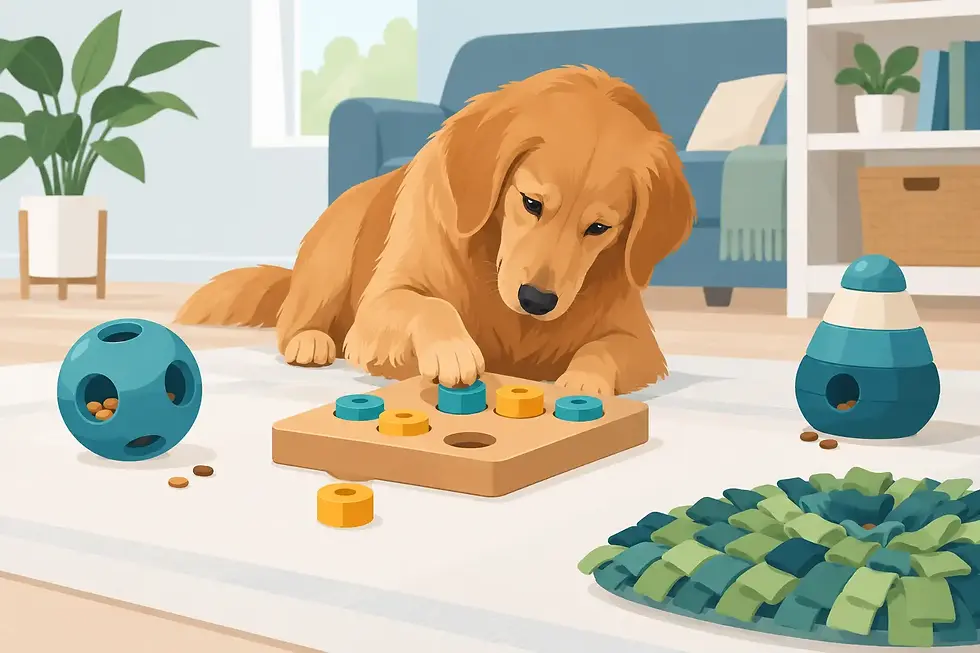
Balance physical activity with structured mental work. Obedience sessions, food puzzles, scent games, supervised walks with clear leash expectations, and calm place work can all help a dog practice focus. The right amount depends on your dog’s age, health, breed tendencies, and emotional state.
For a newly adopted dog, more activity is not always better. A crowded dog park, a long beach day, and multiple visitors in one weekend may sound fun, but that much stimulation can lead to a stressed, reactive dog by Monday. Choose quality experiences over a packed calendar.
Expect Progress to Be Uneven
A rescue dog may have an excellent week, then struggle after a schedule change, storm, family gathering, or veterinary visit. That does not erase the work you have done. Behavior is influenced by stress, environment, routine, health, and the level of distraction involved.
Measure progress in practical ways. Maybe your dog recovers from a trigger faster than before. Maybe the walk is calmer for half a block longer. Maybe guests can enter without a full barking episode. Those improvements build on each other.
Avoid labeling your dog as stubborn, bad, or broken. Dogs repeat behaviors that have worked for them or behaviors driven by fear, excitement, and unmet needs. With the right instruction and management, most dogs can learn a more appropriate response.
When Professional Help Is the Right Next Step
Some challenges are best addressed with professional support from the beginning. Do not wait for a situation to become dangerous if your dog is growling around food, snapping at family members, lunging toward dogs or people, escaping repeatedly, or showing intense distress when alone.
A trainer can assess the behavior in context, identify management changes for your home, and build a plan that fits your dog and your family. The most effective programs also teach you what to do between sessions. Dogs do not live with trainers full time. Lasting results come from the habits practiced in the kitchen, on the sidewalk, at the front door, and during quiet evenings at home.
SafeK9 works with Tampa Bay owners through foundational obedience, Off Leash Obedience, in-home support, and Behavioral Therapy for more complex cases. A free consultation or evaluation can help determine what level of structure and training makes sense for your dog’s current needs.
Give Your Dog a Life They Can Understand
The best rescue dog transformation is not a before-and-after photo or a promise that your dog will become perfect. It is a dog that can rest in the home, walk with control, respond to guidance, and move through daily life with more confidence. Start small, stay consistent, and let trust grow through the routine you build together.


Comments