

A Guide to Calm Dog Greetings That Work
The doorbell rings. Your dog rushes the entryway, jumps on a guest, pulls hard toward another dog, or barks until the moment feels out of control. A calm greeting is not about making your pup less friendly. It is about teaching them that excitement does not have to take over. This guide to calm dog greetings gives you a practical routine for creating safer, more respectful interactions at home and out in public.
Why greetings become a behavior problem
Dogs often rehearse the same greeting pattern from puppyhood: they see a person or dog, become excited, pull forward, jump, bark, and eventually get access to what they want. Even when the greeting is messy, the reward still arrives. Your dog gets to say hello, and the behavior becomes stronger.
That does not mean your dog is bad or aggressive. Many friendly dogs struggle with impulse control, especially when visitors, children, delivery drivers, or other dogs create excitement. Some dogs are anxious rather than social. Others feel trapped on leash and react because they cannot create the space they need.
The right plan depends on the dog in front of you. A young, social puppy may need clear boundaries around jumping. An adult dog that lunges, growls, or barks needs more distance, careful management, and possibly Behavioral Therapy before direct greetings are appropriate. Not every dog should greet every person or dog, and that is completely okay.
A guide to calm dog greetings starts before hello
The greeting itself is only the final moment. Most successful greetings are decided before your dog reaches the person, doorway, or dog they want to investigate.
Start by asking for a behavior your dog already understands in a low-distraction setting. This might be sitting beside you, standing calmly on a loose leash, looking at you, or going to a designated place. The goal is not to make your dog perfectly still. The goal is to give them a clear job and show them that calm choices move the interaction forward.
Practice this routine when nothing exciting is happening. If your dog cannot respond to a simple cue in the living room, they are unlikely to respond when a neighbor approaches with an energetic dog. Build the skill gradually, then add real-life distractions one at a time.
A place command can be especially useful for guests arriving at your home. Before opening the door, guide your dog to a bed, mat, crate, or another safe station away from the entryway. Reward calm behavior there. Once your guest is seated and your dog has settled, you can decide whether a controlled introduction makes sense.
Teach the leash to stay loose
A tight leash often adds tension to an already exciting moment. When a dog hits the end of the leash, pulls forward, and feels pressure on their collar or harness, their arousal can rise quickly. The owner may pull back, the dog pulls harder, and the greeting becomes a contest.
Instead, work on loose-leash movement before you expect polite greetings. Walk with enough space from distractions that your dog can notice them without losing control. Reward your dog for checking in with you, keeping slack in the leash, and moving with you when asked.
If your dog starts pulling toward a person or another dog, do not let the pulling bring them closer. Calmly stop, create distance, or turn away. Once your dog can settle and reconnect with you, try again from farther back if the situation is still appropriate.
This is not about denying your dog every social interaction. It is about making calm behavior the path to access. A dog who learns that pulling ends the opportunity and a loose leash continues it begins to understand the rules much faster.
Use a simple visitor routine at home
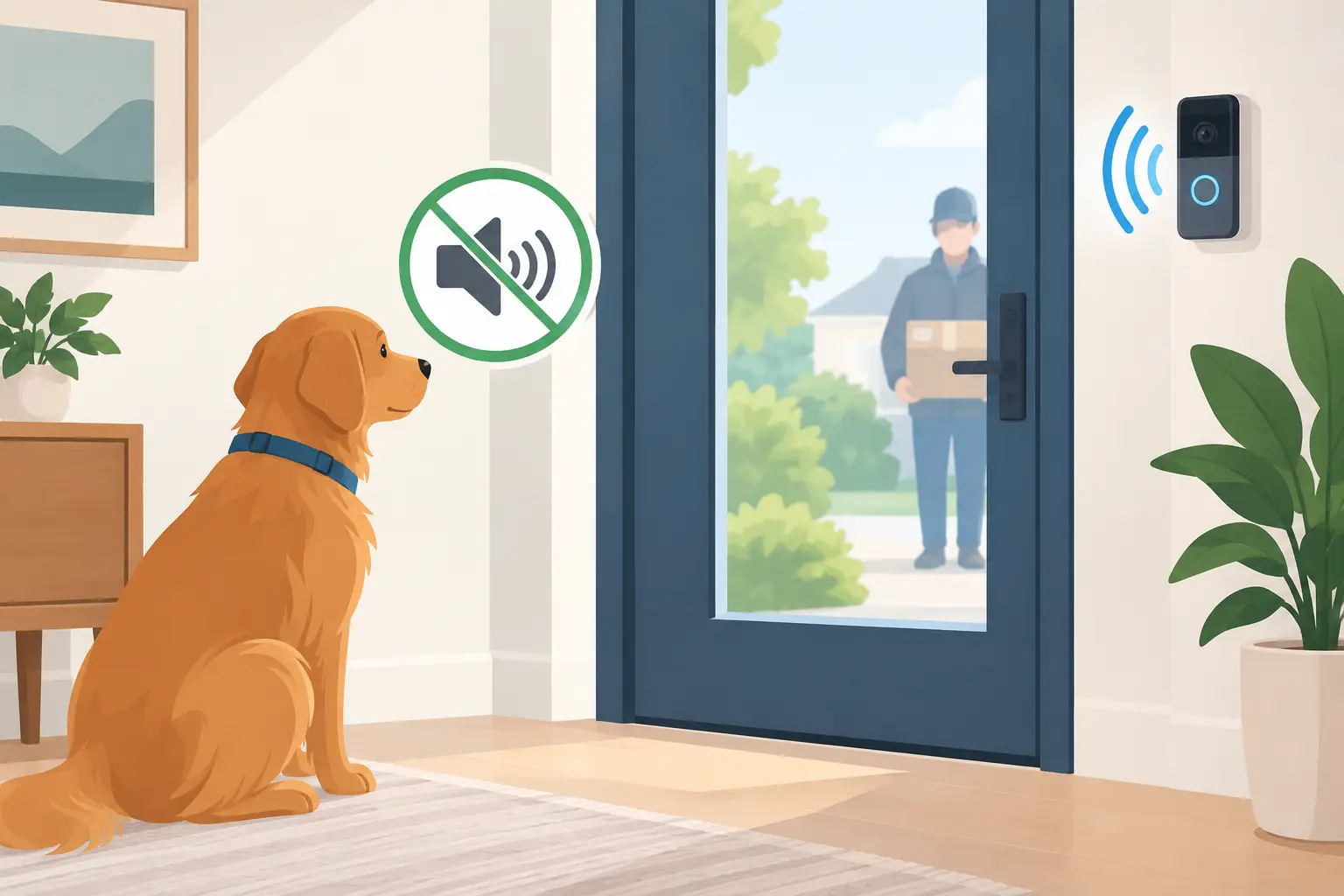
Visitors can be the hardest greeting challenge because the excitement begins before the person is even inside. Your dog may hear a car door, footsteps, a knock, or the doorbell and go from resting to overexcited in seconds.
Set up a repeatable routine. Put your dog on leash before opening the door if needed, or send them to their designated place behind a gate. Ask your visitor to enter calmly and ignore your dog at first. No high-pitched greetings, reaching over the head, or excited petting at the doorway.
Wait for your dog to show a softer body and calmer behavior. That may look like four paws on the floor, a relaxed leash, a pause in barking, or a voluntary check-in with you. Then bring your dog out for a brief, controlled hello if they are ready.
For dogs who jump, the visitor should turn away or step back the moment paws leave the floor. The instant your dog returns to the ground, reward the calm choice with praise, food, or access to the person. Consistency matters more than intensity. If jumping sometimes earns attention, it will continue to be worth trying.
Sitting can help some dogs, but it is not the only answer. A dog that is forced into a sit while a stranger leans over them may feel pressured. A calm stand, a loose leash, and the ability to move away can be a better picture of comfort for some dogs.
Be selective about dog-to-dog greetings
Dogs do not need to greet every dog they see. In fact, frequent on-leash greetings can create frustration, overstimulation, and reactivity in dogs that would otherwise walk past each other calmly.
Before allowing a greeting, look at both dogs. Are their bodies loose and curved rather than stiff and forward? Can your dog respond to their name and move with you? Is the other owner clearly comfortable with the interaction? If any answer is no, keep walking and give both dogs space.
When a greeting is appropriate, keep it short. Approach in a curve rather than marching directly head-on. Let the dogs briefly sniff, then cheerfully call your dog away after a few seconds. This prevents the interaction from building into rough play, tension, or a leash tangle.
A successful walk does not require your dog to make friends with every dog on the block. It requires your dog to stay responsive, safe, and balanced beside you.
Watch your dog's communication
Calm greetings are easier when you learn to recognize the early signs that your dog is getting overwhelmed. Stiff posture, a closed mouth, hard staring, raised hackles, lip licking, yawning, turning away, tucked tail, growling, or frantic barking can all communicate stress. Context matters, but these signals deserve attention.
Do not punish a growl. A growl is valuable information that your dog is uncomfortable and needs more space. Correcting the warning may stop the sound without changing the feeling behind it. Instead, calmly remove your dog from the situation and make a plan to work below their threshold.
For dogs with a bite history, intense leash reactivity, fear of strangers, or conflict around the home, do not practice greetings by exposing them to more pressure. Professional guidance can help you build safe handling routines, improve communication, and address the behavior at the right pace.
Give your dog an alternative to excitement
Dogs need an outlet, especially before a situation that requires self-control. A dog who has had appropriate exercise, mental stimulation, and structure is usually better prepared to handle a visitor or neighborhood walk than a dog who has been waiting all day for excitement.
That does not mean wearing your dog out will solve every greeting issue. Over-aroused dogs can become more frantic with too much high-energy activity. The better approach is balance: physical movement, sniffing, obedience practice, rest, and predictable rules around access to people and dogs.
Short daily training sessions make a difference. Practice place, leash walking, recall, and calm check-ins when life is quiet. Then use those same skills during real greetings. Your dog learns that the rules do not disappear when something exciting happens.
Know when to ask for support
If greetings are causing stress in your household, help is available before the problem grows. Puppy Pre-K can give young dogs a strong foundation in socialization and manners. On Leash Obedience can improve control during walks and public outings. For more serious reactions, Behavioral Therapy can address the underlying patterns while teaching owners how to manage situations safely.
SafeK9 works with Tampa Bay owners to create realistic training plans for the dogs they live with every day, not just the dogs they wish they had during a perfect training session. A free consultation or evaluation can help determine which level of support fits your dog's needs.
The next time someone approaches, do not measure success by whether your dog gets to say hello. Measure it by whether your dog can stay connected to you, respect boundaries, and leave the moment feeling safe. That is the kind of calm that carries into the rest of your life together.


Comments