

Adolescent Dog Guide for Better Daily Behavior
Your dog knew how to sit last month. Now they stare at you when you call, pull harder on walks, and suddenly act like the counter has never been off-limits. This adolescent dog guide is for that frustrating, very normal stretch when your pup’s body is growing faster than their judgment.
Dog adolescence can make a reliable puppy feel unpredictable, but it does not mean your training has failed. It means your dog needs clear expectations, appropriate outlets, and consistent follow-through from everyone in the home. With the right structure, this phase can build the calm, responsive adult dog you want to live with.
When Does Dog Adolescence Begin?
Most dogs enter adolescence between six and 12 months old. Small breeds may move through it sooner, while larger and giant breeds may show adolescent behavior well into 18 to 24 months. Your dog may look nearly full-grown, but their ability to control impulses is still developing.
This is also a period of major change. Hormones, physical strength, confidence, curiosity, and environmental awareness all increase. A dog who once followed you closely may begin scanning the yard for squirrels. A puppy who happily greeted every person may become more selective or uneasy around unfamiliar dogs, visitors, or busy environments.
The goal is not to expect adult-level maturity from an adolescent dog. The goal is to teach good choices while preventing repeated practice of the behaviors you do not want.
Common Adolescent Dog Behavior Changes
Owners often describe adolescence as a sudden loss of training. In reality, your dog is testing what works in a changing body and a more distracting world. Behaviors that received little attention during puppyhood can become much more noticeable now.
Leash pulling is a common example. A stronger dog can now physically move an owner toward another dog, a smell, or a person. Jumping may become more disruptive because your pup is taller and more powerful. Recall can become unreliable when the environment offers more excitement than coming back to you.
You may also see increased chewing, barking, rough play, counter surfing, door rushing, or resistance to handling. Some dogs become overly social and pull toward every dog they see. Others become hesitant, vocal, or defensive as they become more aware of their surroundings.
Do not assume every change is simply adolescence. Sudden irritability, reluctance to be touched, changes in appetite, limping, or a sharp change in behavior can point to discomfort or a medical issue. Start with your veterinarian when behavior changes appear abrupt or out of character.
Regression Is Information, Not Defiance
It is easy to label an adolescent dog as stubborn. Usually, the dog is showing you that the current distraction level is too high, the skill is not yet fully proofed, or the behavior has been rewarded by access to something they want.
If pulling gets your dog to the grass, pulling works. If jumping earns attention from guests, jumping works. If ignoring recall allows another minute of play, ignoring recall works. Training becomes more effective when owners look at what happens after the behavior instead of assuming the dog is trying to challenge them.
Build Structure Into Everyday Life
Adolescent dogs do best when the day has predictable rules. Structure should not mean constant correction or an overly restricted life. It means your dog understands how to earn access to the things they value: going outside, greeting people, getting on furniture, starting a game, or moving forward on a walk.
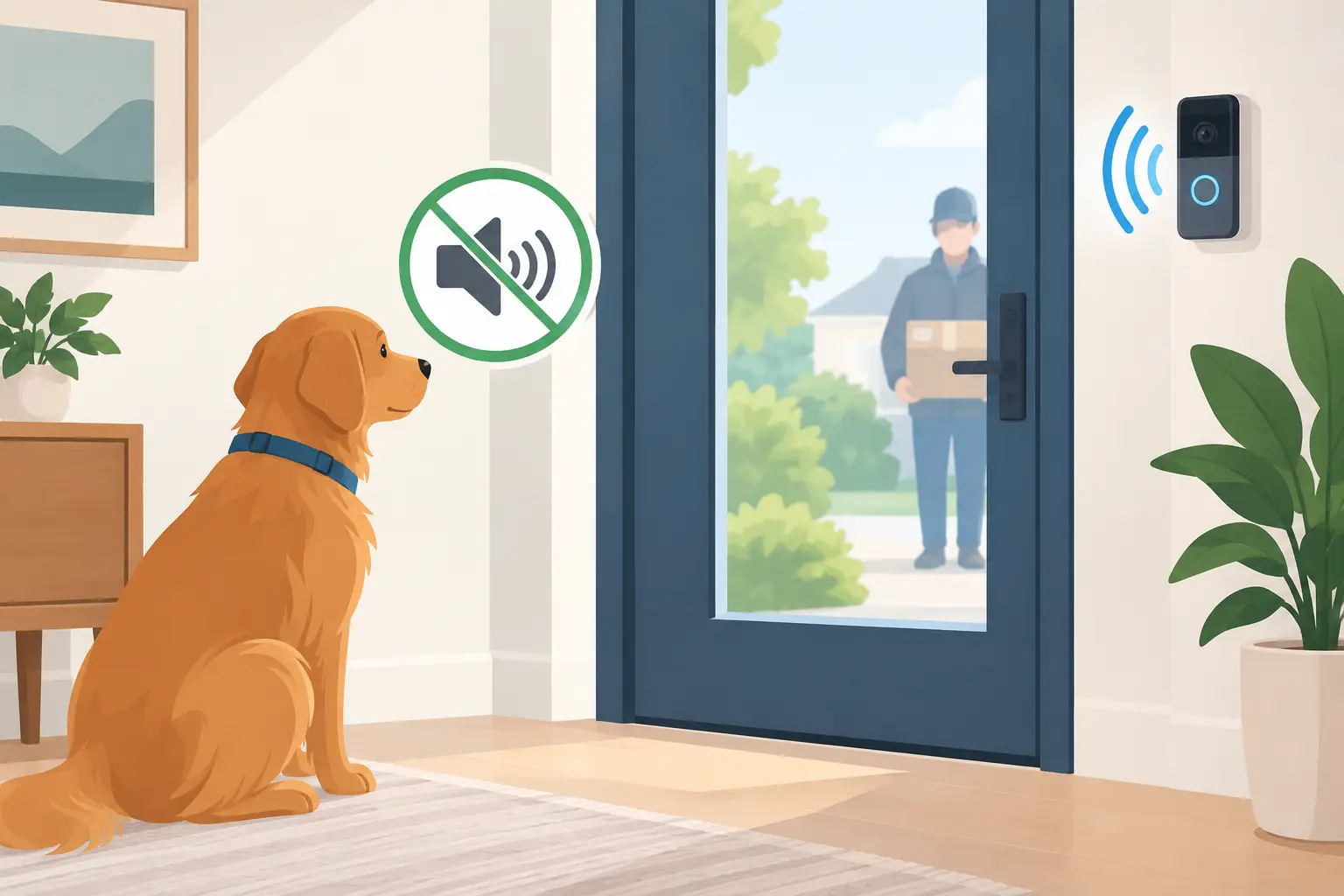
Ask for a simple behavior before everyday privileges. A calm sit before the leash goes on, a pause at the door, or four paws on the floor before greeting a guest gives your dog useful practice without turning every moment into a formal training session. Keep your cues clear, give your dog time to respond, and follow through calmly.
Consistency matters more than intensity. If one family member allows door rushing and another corrects it, the dog receives mixed information. Decide on household rules together, then make them easy to repeat every day.
Use Management While Skills Catch Up
Management prevents your dog from rehearsing unwanted habits. It is not a shortcut or a failure. It is a practical part of training.
Use a leash, crate, playpen, baby gate, or closed door when you cannot actively supervise. Keep food out of reach if counter surfing is becoming a habit. Give visitors instructions before they enter if your dog jumps or becomes overexcited. On walks, choose enough distance from other dogs and people that your pup can still focus and make good choices.
The right setup reduces conflict. It also gives you more opportunities to reward the behavior you want before your dog becomes overwhelmed or overexcited.
Exercise Is Helpful, but It Is Not the Whole Answer
A tired adolescent dog may be quieter for an hour, but endless physical exercise alone does not create better behavior. In some cases, it simply builds a fitter dog with even more stamina. Your pup needs physical activity, but they also need mental stimulation and help learning how to settle.
Daily walks should include more than covering distance. Let your dog sniff in appropriate places, practice checking in with you, and work on loose-leash skills in manageable environments. Short training sessions can be more productive than one long session where your dog loses focus.
Food puzzles, scent games, place work, obedience practice, and calm chewing activities can meet mental needs without raising arousal. The right balance depends on the dog. A high-energy working breed may need more structured outlets than a small companion breed, but both benefit from learning that activity ends and relaxation begins.
Strengthen the Skills That Matter Most
During adolescence, focus on behaviors that make daily life safer and more enjoyable. A reliable recall, calm leash walking, place or bed command, waiting at thresholds, and polite greetings are more useful than a long list of tricks.
Train first in low-distraction settings, then gradually add difficulty. Practice recall on a long line before expecting your dog to respond around wildlife or other dogs. Reward generously when your dog chooses you in a distracting environment. Avoid repeatedly calling your dog when you cannot follow through, since that can weaken the cue.
For leash walking, do not let pulling become the default way to move forward. Stop, change direction, or create more space when needed. Reward your dog for walking near you with a loose leash. The exact technique should fit your dog’s temperament and training history, but the message must stay consistent: calm walking gets access, pulling does not.
Socialization Changes During Adolescence
Socialization is not just meeting as many dogs and people as possible. For an adolescent dog, quality experiences matter more than quantity. Your dog does not need to greet every person at a brewery or play with every dog at the park.
Healthy socialization teaches neutrality, confidence, and appropriate engagement. Your pup should be able to notice another dog, person, bicycle, or busy environment without feeling the need to rush toward it, flee from it, or react to it.
Choose controlled exposure over chaotic situations. If your dog is uncomfortable, create distance rather than forcing an interaction. If your dog is overly excited, work on calm observation and disengagement before allowing a greeting. This protects your dog’s confidence and helps prevent a pattern of reactive behavior.
Know When Professional Support Can Help
Some adolescent challenges respond quickly to improved routines and owner consistency. Others need a more individualized plan, especially when there is fear, reactivity, guarding, intense anxiety, or a history of biting. Waiting for a dog to outgrow those issues can allow them to become more established.
Professional training can help you identify what is driving the behavior and give you a plan that fits your household. At SafeK9, programs such as on-leash obedience, Off Leash Obedience, and Behavioral Therapy are designed to support both the dog and the owner. The goal is not just better performance during a session. It is a dog you can manage confidently at home, on walks, around visitors, and throughout everyday life.
Adolescence asks for patience, but it also rewards consistency. Every calm pause at the door, successful check-in on a walk, and choice to settle near your family is a small piece of the adult dog your pup is becoming.


Comments