

Household Harmony Transformation for Dog Owners
The moment your dog starts barking at every hallway sound, pulling you toward the door, or guarding the couch from family members, the whole house feels smaller. A household harmony transformation is not about making your pup silent or overly controlled. It is about creating clear expectations so your dog can relax, your family can move freely, and daily life stops feeling like a constant correction.
For many Tampa Bay dog owners, the hard part is not loving their dog. It is knowing what to do when that love is met with jumping, leash pulling, anxious pacing, rough play, ignored commands, or tension around visitors. Those behaviors can make even a good dog feel difficult to live with. The good news is that balance can be built through structure, repetition, and training that fits your dog and your home.
What Household Harmony Transformation Looks Like
A calm home does not mean a dog spends all day in a crate or never gets excited. Dogs should be playful, curious, and engaged. Harmony means your dog can shift from excitement to calm when asked. They can greet people without launching at them, settle while you cook dinner, walk with you without turning every outing into a battle, and respond when something unexpected happens.
This change also asks something of the people in the home. Dogs learn from what happens repeatedly. If one person allows jumping, another pushes the dog away, and a third gives attention after the barking starts, the dog receives three different messages. Confusion often looks like disobedience, but it is frequently a lack of consistent direction.
The goal is not perfection. A young puppy, a newly adopted dog, and a dog working through serious reactivity will need different levels of management. What matters is that everyone follows a simple plan and gives the dog a reliable path to success.
Start With Structure Before Correcting Behavior
When a dog is acting out, owners often focus on the moment of the problem. They react when the dog jumps, pulls, barks, or ignores a command. That response is understandable, but a better result usually starts earlier. Look at the routine surrounding the behavior.
A dog with no predictable outlet may pace, chew, demand attention, or become overly alert to every sound. A dog who is wildly excited before every walk may be rehearsing that excitement long before the leash goes on. A dog who gets free access to furniture, doors, food, and guests without guidance may begin making decisions that should belong to the owner.
Structure gives your dog useful information. It answers: When do we eat? Where do we rest? How do we ask for attention? What happens at the front door? How do we behave before going outside? These are not harsh rules. They are daily patterns that reduce uncertainty.
Start by choosing a few routines your entire household can maintain. Ask your dog to sit or place before meals, waits at the door, and calm greetings are strong starting points. Keep the expectations realistic. If your dog has never held a sit while the door opens, begin with a few seconds, reward the right choice, and build gradually.
Make the Right Choice Easy
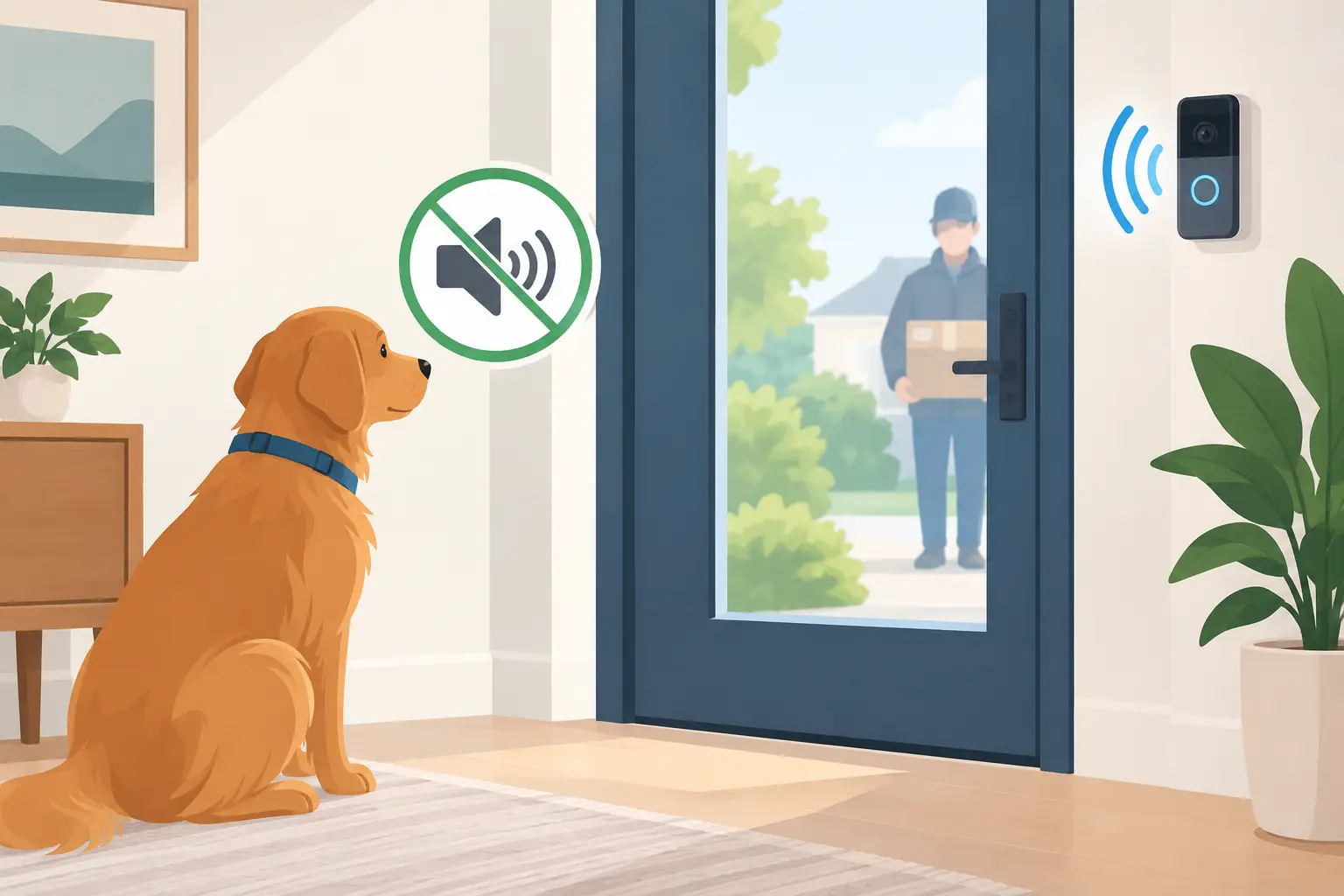
Management is not failure. Baby gates, a leash indoors, a designated bed or place cot, and a properly used crate can prevent your dog from practicing unwanted behavior while training is still taking hold. If guests cause chaos, set your dog up in a calm area with a chew or structured task before the doorbell rings.
This is especially helpful for dogs who become overstimulated. Asking a highly aroused dog to make perfect choices in the middle of a busy gathering is often too much. Give them space, lower the pressure, and practice the skill in smaller steps. As confidence and obedience improve, you can add more distractions.
Teach Communication That Works in Real Life
Commands should have a purpose beyond the training session. Sit is useful before greetings and meals. Place helps when you need to answer the door, carry in groceries, or create calm during family time. Heel creates safer, more enjoyable walks. Recall can prevent a frightening moment when a dog slips out of a gate or becomes distracted outdoors.
The value is not in how many commands your dog knows. It is in whether your dog understands and follows them when they matter. That takes clear instruction, fair follow-through, and practice in different environments.
Begin in a low-distraction area, then slowly add real-life challenges. A dog who responds in the living room may struggle in the driveway. A dog who heels on a quiet street may need more work near other dogs, children, bicycles, or waterfront activity. That is normal. Training should progress at the dog’s pace while still moving forward.
Your timing matters too. Reward calm behavior when it happens. If your dog lies quietly while you work, acknowledge it with calm praise, a treat, or a gentle release to something enjoyable. If attention only arrives when your pup is barking or demanding it, that pattern can become stronger.
Meet the Need Behind the Behavior
Not every behavior problem has the same cause. A young, energetic dog may need better exercise and impulse-control work. A fearful dog may need careful socialization and behavioral support rather than being pushed into busy environments. A dog that guards food, toys, space, or people needs a serious, individualized plan that protects everyone in the home.
Physical exercise helps, but it is not the entire answer. A long walk can tire a dog’s body while leaving their mind unsettled. Obedience sessions, scent games, controlled social experiences, place work, and problem-solving activities provide mental stimulation that many dogs need.
It also depends on breed, age, health, and history. Puppies need short, positive lessons and proper early exposure. Adult dogs may need a reset after years of inconsistent boundaries. Dogs with aggression, intense anxiety, or bite history should be evaluated by an experienced professional before owners attempt to manage the issue alone.
Build One Household Plan Everyone Can Follow
The fastest way to create mixed signals is to have each person use different rules. That does not mean every family member must train exactly the same way, but the core expectations should match. Decide where the dog sleeps, what furniture access looks like, how greetings are handled, and which commands everyone will use.
Keep the language simple. If one person says “down,” another says “off,” and someone else repeats “no” five times, the dog has to guess. Choose a command, say it once, and follow through appropriately. Calm consistency is far more effective than yelling, bargaining, or repeating yourself.
Children should also have clear roles that fit their age. They can help reward calm behavior, ask for a sit before tossing a toy, or participate in supervised place work. They should not be expected to handle leash reactivity, resource guarding, or a large dog that cannot yet control its excitement.
When Professional Training Changes the Whole Home
Some household problems improve quickly once an owner has a clear routine. Others need hands-on instruction, especially when safety, anxiety, aggression, or repeated loss of control is involved. Professional training can show you what your dog is communicating, identify the patterns keeping the behavior going, and give your family a plan that works beyond a single lesson.
SafeK9 works with dogs across the development spectrum, from Puppy Pre-K and foundational obedience to Off Leash Obedience and Behavioral Therapy. The focus is not simply getting a dog to perform commands for a trainer. It is helping owners use those skills in their own home, neighborhood, walks, and everyday routines.
In-home training can be particularly useful when the issue is tied to your environment. Doorway rushing, barking at windows, tension around furniture, visitor excitement, and poor household boundaries often look different at home than they do in a training facility. Seeing the behavior where it happens allows for more practical guidance.
A better home with your dog is built in ordinary moments: the pause before the leash goes on, the calm wait at the door, the choice to settle on a bed while dinner is made. Start with one routine you can practice today, stay consistent with it, and let those small wins change the feeling of your whole household.


Comments